
The World Cup is not just on TV anymore
Different topic today, but the World Cup made me notice something.
I opened X, formerly Twitter, and suddenly there it was: a football hub.
Schedule, standings, stats, news, updates; all sitting inside the app like it already knew what people would be looking for.
Not just random posts.
A proper tournament layer.
That small thing says a lot about how football has changed.
The World Cup used to be something we watched on TV.
You wait for the match, watch 90 minutes, argue a bit with family or friends, then maybe read the sports page the next day.
Now?
The match starts before kick-off and continues long after the final whistle.
Line-up reactions. VAR debates. Slow-motion replays. Fan videos. Memes. Screenshots. Tactical threads. Angry comments. Funny captions. Someone crying in the stands. Someone blaming the referee before the replay even finishes.
Football used to be 90 minutes.
Now it is a whole feed.
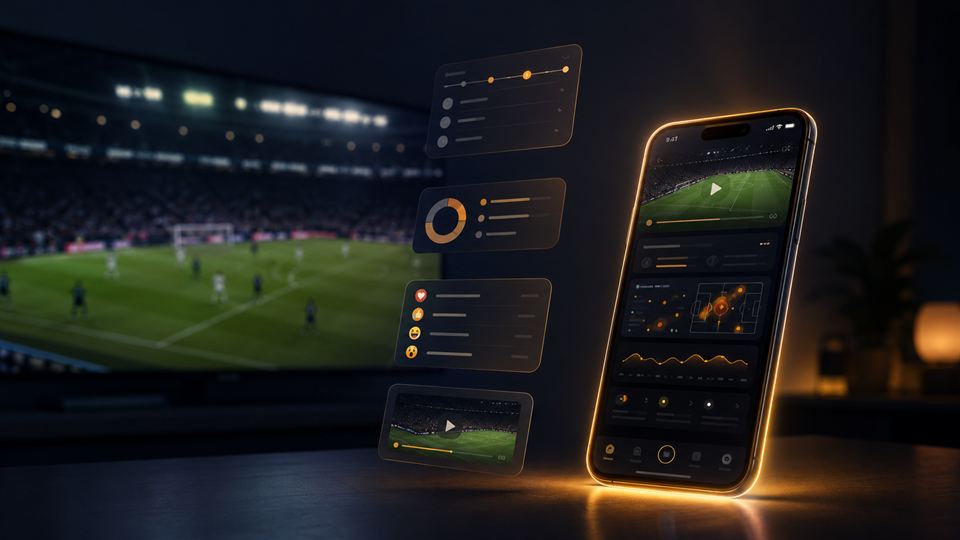
The second screen is part of the match now
For many people, watching football now means watching with the phone in hand.
TV in front.
Timeline beside you.
You see the goal, then immediately check what everyone else is saying.
Sometimes the meme arrives faster than the official replay.
That can be fun.
It makes the World Cup feel shared, even if you are watching alone at home at 3am, half sleepy, with teh tarik or kopi beside you.
But it also changes how we watch.
Instead of only feeling the match, we keep checking the reaction to the match.
Was that a good goal?
Was that a bad tackle?
Was the referee wrong?
Was the goalkeeper finished?
Before we even decide what we think, the timeline already gives us ten opinions.
Platforms are becoming match hubs
This is the interesting part.
Social platforms are no longer just where people react to football.
They are trying to become the place where fans follow the whole tournament.
Fixtures, scores, clips, news, standings, stats, reactions, arguments; all inside one feed.
And honestly, it makes sense.
During a big tournament, people do not want to jump between five different apps.
They want the schedule, the result, the meme, the controversy, and the explanation all in one place.
Convenient, yes.
But it also means the platform shapes the experience.
What we see first, what we miss, what becomes viral, what feels important; all of that can be influenced by the feed.
The game is still on the pitch.
But the mood of the game now lives online.
Spoilers are almost impossible to avoid
If you are not watching live, good luck.
Open Instagram; goal spoiled.
Open TikTok; celebration clip.
Open WhatsApp; someone already forwarded the score.
Open X; full argument already happening.
In the social media era, "I will watch the replay later" is basically a risky lifestyle.
The internet does not wait for your schedule.
Especially for us in Malaysia, match timing can be painful.
Some games are late.
Some are too early.
Some are during work.
Some are the kind where you say, "I will sleep first and watch highlights later."
But by the time you wake up, the whole internet already told you everything.
Score. Red card. Penalty. Drama. Meme.
Habis.
Everyone becomes a pundit
During World Cup season, suddenly everyone has analysis.
Why the coach wrong.
Why the goalkeeper should save.
Why the striker finished.
Why that one player overrated.
Why the substitution made no sense.
Sometimes the comments are smart.
Sometimes very confident only.
But that is football now.
The discussion is no longer controlled only by TV pundits or sports journalists.
Fans, creators, meme pages, streamers, and random accounts all shape the conversation.
Some people explain tactics properly.
Some people just want engagement.
Some people are joking.
Some people are angry because their team lost at 4am and they sacrificed sleep for pain.
All valid, I guess.
The good side
Social media makes the World Cup feel more alive.
You see fans from other countries.
You understand small stories behind teams.
You discover players you never paid attention to before.
You laugh at memes.
You follow the drama.
You feel part of something global.
For Malaysians, especially when we are watching from far away and at odd hours, social media makes the tournament feel closer.
Even if our team is not there, the World Cup still enters our group chats, mamak tables, office conversations, TikTok feed, and late-night scrolling.
That part is nice.
Football becomes less lonely.
The tiring side
But it can also become too much.
Too many hot takes.
Too much outrage.
Too many people trying to be first instead of being right.
A small mistake becomes a viral pile-on.
A young player misses a chance and suddenly thousands of strangers are insulting him.
A referee decision becomes a war.
A short clip without context becomes "proof".
The World Cup is emotional, yes.
That is part of football.
But social media can make every emotion louder.
Sometimes too loud.
Maybe we need to watch slower
Not everything needs instant reaction.
Sometimes just watch the match.
Enjoy the build-up.
Feel the tension.
Let the replay finish before judging.
Let the player be human.
Let the game breathe a bit.
Posting is fun.
Memes are fun.
Group chat chaos is part of the experience.
But football is still football.
The best moments are not always the ones that go viral.
Sometimes it is just that quiet few seconds after a goal, when the whole room reacts before anyone checks their phone.
That moment still matters.
Final thought
The World Cup is bigger, faster, and more connected than ever.
This edition is already historic: hosted across three countries, with more teams than before, and watched across screens, feeds, apps, and timelines.
That is exciting.
But maybe the best way to enjoy football now is to treat social media as the side dish, not the main meal.
Use it for updates.
Use it for memes.
Use it for the shared chaos.
But do not let the feed replace the match.
Watch the game first.
Then scroll.